
Introduction
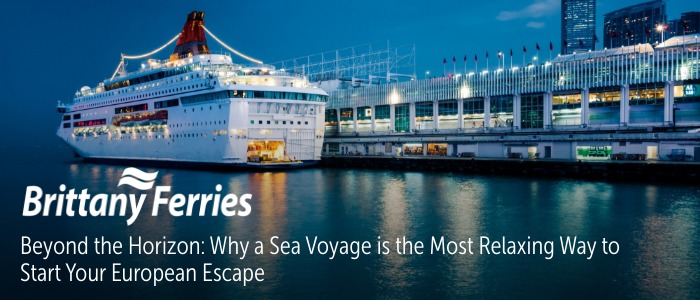
Picture this. You're standing on the deck of a ferry, sea breeze in your face, a warm coffee in hand, and Europe is slowly getting closer. No frantic airport queues, no tiny seats, and no one is asking you to remove your shoes for the fifth time. Nothing surrounds the vessel except open water and the sense that your holiday has truly begun. This is what stress-free travel looks like. And honestly, the experience is underrated.Brittany Ferries has operated these crossings for decades—connecting the UK and Ireland to France, Spain, and beyond, with crossings that don't just get you there, but let you actually enjoy the journey. So if you've been stacking flights and racing through terminals, maybe it's time to try something different.
What Makes Sea Travel the Best Way to Travel to Europe?
Flying is fast, sure, but fast doesn't mean relaxing. Anyone who has navigated a budget airline check-in, hunted for overhead locker space, and then sat with knees pressed to the chest for two hours knows exactly what that kind of travel does to your mood. You arrive frazzled. You spend the first day of your holiday recovering.A Brittany Ferries crossing is a different story altogether. The pace is slower — deliberately so. That is the whole point.
The crossing from Portsmouth to Santander, for example, takes around 24 hours. To some, that sounds like a long time, but think about it differently. That's a full day where you're already on holiday, moving through the Bay of Biscay, eating a proper sit-down dinner, and maybe reading a book you've been meaning to get to for months. This is not wasted time. It is reclaimed time.
Slow Travel Europe — The Case for Taking Your Time
A quiet movement is growing among travelers who are tired of rushing. Slow travel in Europe isn't just a trend. It's a response to years of trying to squeeze too much into too little time and of treating a holiday like a logistics exercise.Slow travel means staying longer, moving less, and noticing more. It means arriving somewhere and actually settling in rather than immediately hunting for the next attraction. A ferry crossing fits this philosophy perfectly — it eases you into the journey rather than catapulting you from one place to another.
On a Brittany Ferries crossing, the transition is gradual. The English coast fades behind you. The sea stretches out. Hours pass. Then the outline of France or Spain appears in the distance. That kind of arrival feels earned. It feels different. And somehow, it makes the destination feel more real.
What to Expect Onboard — More Than Just a Boat
This is where many travelers are often surprised. Brittany Ferries ships aren't Spartan vessels with hard seats and vending machines. They're genuinely nice. They are the kind of nice that makes you stop and think, "This is actually very good."Depending on the route and vessel, onboard features can include the following:
- Comfortable cabin options—from basic en-suite rooms to proper sea-view cabins that feel more like a mid-range hotel than a boat
- Restaurants serving proper meals, not just reheated sandwiches—think fresh seafood, local wines, and full menus
- Bars, lounges, and outdoor deck areas where you can watch the sea go by
- Shops, spa facilities, and swimming pools are available on select ships
- Pet-friendly cabins on many routes—so the dog comes too
Stress-Free Travel Starts Before You Even Arrive
One of the underappreciated things about ferry travel is how much calmer the whole process feels. Check-in is measured in minutes, not hours. There's no security theater—no liquid limits, no laptops out, no shoes in a tray. Just drive up, check in, and board.For families, especially, this matters enormously. Traveling with kids through a busy airport can be quite challenging. Anyone familiar with airport travel understands the challenge. The ferry experience is kinder. There's space to move around. Kids can stretch their legs. There are things to do, places to sit, and food to eat. It doesn't feel like an ordeal—it feels like the start of something positive.
And for those who find flying stressful or uncomfortable — whether because of anxiety, claustrophobia, or just the general chaos of modern air travel — the ferry is genuinely liberating. It removes a whole category of stress from the trip entirely.
Popular Brittany Ferries Routes Worth Knowing
There are several well-established routes, each with its own character:- Portsmouth to Caen or Cherbourg — quick crossings into Normandy, great for a driving holiday through northern France
- Plymouth or Portsmouth to Santander or Bilbao — longer crossings into northern Spain, bypassing France entirely if that's the goal
- Poole or Portsmouth to St. Malo—a classic and the gateway to Brittany's dramatic coastline
- Cork to Roscoff — the Irish connection, perfect for those setting out from the west
Slow Travel Europe and the Environmental Angle
This point deserves mention—ferry travel also tends to have a lower carbon footprint per passenger than flying, particularly for those traveling with a vehicle. Brittany Ferries has been actively working to reduce emissions, with hybrid vessels and a published commitment to sustainability.For travelers who think about these things, and a number that increases every year, choosing the ferry isn't just a comfort decision. It's a values decision, too. Slow travel in Europe, in this sense, aligns with traveling more thoughtfully.
Tips for Making the Most of a Ferry Crossing
A few practical things that make the experience even better:- Book a cabin—even on shorter overnight crossings, having a proper space to sleep makes a huge difference
- Go outside—the deck experience, especially at sunrise or sunset, is one of those travel moments that sticks with you.
- Pack a bag for the cabin—avoid leaving everything in the car. Bring what's needed for the crossing.
- Check the onboard schedule—some crossings have entertainment, live music, or kids' clubs worth knowing about
- Eat on board—the restaurants are genuinely excellent, and this removes one task upon arrival.
The Journey Is the Beginning — Not the Bit to Get Through
One important aspect of stress-free travel deserves attention. It's not just about the destination. Stress-free travel involves arriving at the destination without exhaustion. It's about the journey, not costing you the first two days of your holiday in recovery time.A Brittany Ferries crossing offers an experience that most modern forms of transport have forgotten—it makes the journey genuinely enjoyable. The rhythm of the sea, the slow passage of time, the simple pleasure of being on the water with nowhere else to be. That's not lost time; that moment marks the true beginning of the holiday.
Whether pursuing slow travel experiences across Europe. Planning a big road trip, or simply looking for the best way to travel to Europe without the airport drama, ferry travel may become the most rewarding travel decision of the year. Climb aboard. Watch the horizon. Europe's waiting.
Discover Brittany Ferries routes and book at brittany-ferries.co.uk
Find the best UK stays with UK Hotel Booking — compare prices, explore top-rated hotels, and book effortlessly. Your perfect stay in the UK is just a click away!
Read More Blogs
Where To Stay For The 2026 FIFA World Cup Qualifiers & Major Concerts
Top Travel Cosmetic Kits & TSA Approved Makeup Bags For Your Trips
5 Dog-Friendly Cruise Ships Every Pet Parent Needs To Know About
FAQs
1. Is taking a ferry to Europe really more relaxing than flying?Yes, the journey feels calmer because there is space to move around, enjoy the sea, and start the holiday without the usual airport rush.
2. Can a car be taken on a ferry to Europe?
Yes, most ferries allow cars on board, which makes it easy to carry luggage, bikes, or travel gear without worrying about baggage limits.
3. Are ferry journeys to Europe very long?
Some crossings take longer than flights, but the extra time often feels enjoyable since the trip itself becomes part of the travel experience.